Bookings, menus, online ordering, search. Written by the people building the product, between services.
An exposed guest record can leave a restaurant unsure what happened, who is affected and whether the ICO reporting threshold is met.
A booking reminder can be enabled yet fail before reaching the guest, leaving staff without dependable delivery evidence.
A reservation message can look genuine yet fail authentication, leaving confirmations quarantined or a restaurant domain open to convincing spoofing.
An allergy note can reach the booking record yet miss the kitchen and server, leaving staff unprepared for a safety-critical guest conversation.
A free-from or vegan menu label can outlive the evidence behind it, creating a dangerous mismatch between the public promise and the kitchen.
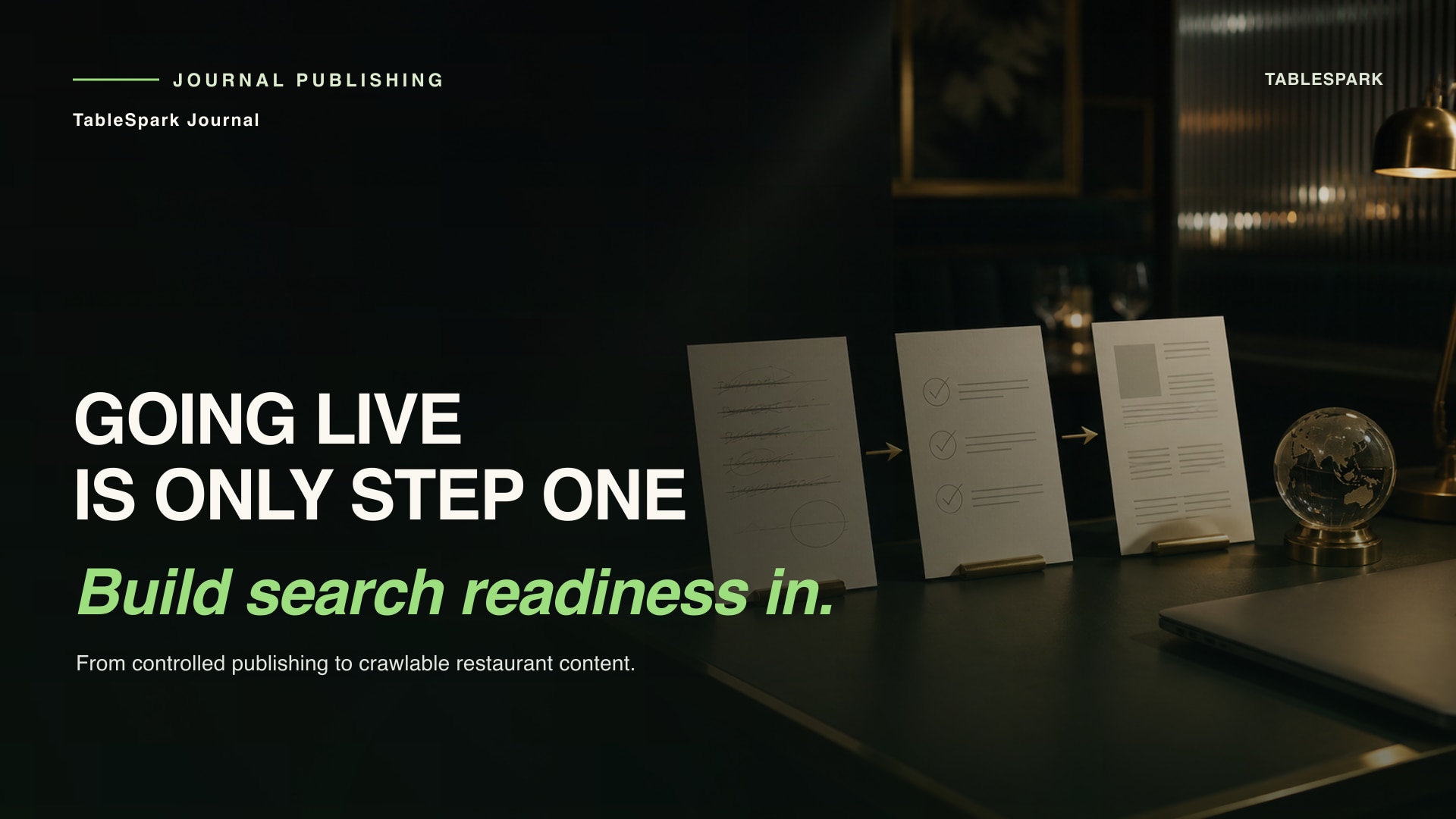
A time-sensitive restaurant update can be stale before an external publishing queue clears, and a page can be live without being ready for guests or search systems.
A new restaurant address can look ready in the editor while a guest reaches a warning page or a different version of the site. Prove the connection before announcing it.
A restaurant can budget card payments from a single headline percentage, then meet premium, international, conversion and dispute charges that were never in the sum.
A promotional POS bundle headline covers hardware. The recurring licences, payment contract terms and the work to connect a restaurant website arrive later.
The same canned drink can carry a deposit when it leaves in a bag and none when it is drunk at the table, and the customer notice must match the route chosen.
A busy Saturday can put more than 200 people inside a restaurant that has never counted, leaving the owner exposed to a future duty or to spending nobody asked for.
A new inspection changes the official record while your website still quotes the old rating. Any guest can check that mismatch in seconds, on the phone in their hand.